
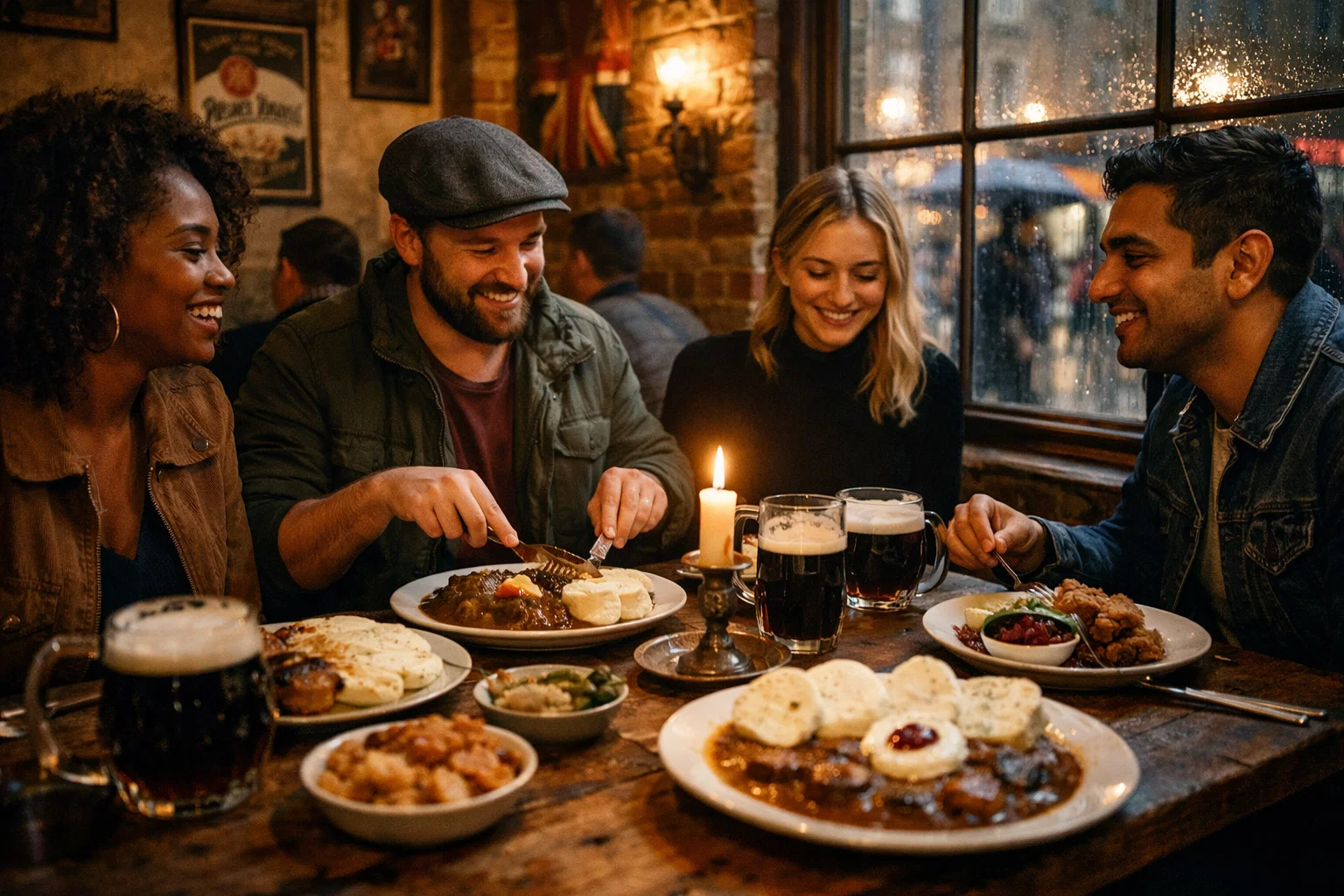
London’s dining scene is always in motion, constantly unveiling new culinary surprises. Yet lately, a noticeable shift has emerged. Many local food lovers, weary of overloaded flavor mashups and ever-shifting fads, are rediscovering the appeal of simple, heartfelt fare. The latest sensation capturing hearts and palates? Genuine Czech cuisine. Rather than chasing after trendy modern fusion, diners across the city are gravitating toward the slow-cooked dishes, comforting flavors, and rich stories that define bohemian tradition.
If you’re in London and looking for traditional Czech recipes, you can visit artisanrestaurant.cz to discover authentic flavours.
Exploring the rise of Czech cuisine in London
As a true cultural crossroads, London welcomes food from all over Europe, but Czech flavors have long remained underappreciated. Today, interest in bohemian tradition is growing steadily at markets, bistros, and supper clubs. What explains this renewed enthusiasm?
Czech cuisine resonates with those seeking authentic food experiences, offering honest tastes rooted in traditional ingredients. For diners who want more than clever plating or high-tech gadgets, these time-honored recipes provide a breath of fresh air amid the city’s ever-changing culinary highlights.
What sets bohemian tradition apart?
Dishes originating from Central Europe distinguish themselves through their hearty satisfaction, warmth, and a sense of nostalgia often missing from modern fusion approaches. Each meal draws on centuries-old customs—cultural foodways dedicated to gathering people around shared tables instead of staging experimental spectacles.
Rather than reinventing classics beyond recognition, chefs honor old-world skill. The focus shifts from visual shock value to delivering comfort food that stands strong against fleeting culinary trends.
Key elements of traditional Czech foodways
Czech cuisine relies on techniques like slow roasting, stewing, and careful dough preparation, coaxing deep flavors from humble staples such as root vegetables, legumes, pork, cabbage, and handmade dumplings. Meals typically offer harmonious textures—tender meats paired with pillowy sides, tangy pickles, or sharp horseradish to balance richness without complication.
Sauces simmer for hours, blending spices and stock into layers of warmth. This patience pays off in every bite. Just as significant is the communal spirit: platters piled high become the centerpiece for laughter and conversation, further enriching the dining experience—a hallmark of bohemian tradition unmatched by many contemporary techniques.
Signature dishes reshaping London’s dining landscape
Delicacies like lighter-than-expected svíčková (braised beef in creamy vegetable sauce), golden schnitzels, and švestkové knedlíky (plum dumplings) now feature prominently from Shoreditch to Camden. Cold-weather favorites such as guláš and sauerkraut soup attract diners craving both sustenance and nostalgia. Guests marvel at how much delight emerges from thoughtfully chosen, straightforward flavors, unlocked by faithful respect for original recipes.
Bread making, wild mushrooms, and poppy seed desserts—once considered niche—are gaining popularity, drawing a broader and more diverse crowd eager to savor these unique culinary highlights.
Modern fusion versus authentic food: why the pivot?
For decades, London’s chefs dazzled guests with inventive twists, blending Asian noodles with Italian cheeses or Peruvian ceviche with British fish. Yet, this relentless quest for novelty eventually felt impersonal. At some point, innovation for its own sake lost its allure. Diners began longing for meals with genuine meaning, context, and emotional resonance.
This desire has fueled a return to authentic food where craftsmanship and heritage outweigh whimsy. People seek dishes that tell a story, prepared with intention rather than as mere artistic experiments. Bohemian tradition answers this call, honoring historical methods and using only traditional ingredients for truly satisfying old-world experiences.
- Modern fusion emphasizes showmanship and cross-cultural inspiration, but sometimes leaves plates lacking depth or lasting memory.
- Authentic Czech cuisine offers comforting continuity, connecting each bite to snow-laden forests, bustling pubs, and village gatherings of the past.
- Unlike global menus with no clear roots, bohemian tradition provides flavorful signposts along the road of lived European experience.
Comfort food redefining culinary highlights
The move toward slower, heartier meals does not mean rejecting innovation altogether. Instead, London’s cooks selectively adopt contemporary techniques—like gentle sous vide cooking for tender meats or lighter preparations for sauces—to enhance classic recipes while preserving their essence. By blending subtle updates with core traditions, kitchens are crafting a new style of comfort food: authentic yet refined.
Dishes arrive robust enough for chilly English weather and intriguing enough to spark curiosity about lesser-known cultures. Familiar ingredients take center stage once again, thanks to careful treatment rather than trend-driven substitutions. Diners leave fulfilled, experiencing both nourishment and discovery.
Why London is embracing bohemian cultural foodways?
A driving force behind this transformation is the growing desire to connect over food. Sharing heritage at the table brings communities closer, whether among friends at home or between strangers at pop-up events. Given London’s cosmopolitan character, residents readily welcome new stories—especially when served with old-fashioned hospitality and generous portions.
Moreover, bohemian tradition evokes family memories for expatriates and invites newcomers to explore unfamiliar rituals. This inclusivity ensures Czech cuisine remains accessible and engaging, expanding the notion of ‘home-cooked’ within one of Europe’s busiest cities.
- Warmth replaces pretension: friendly service, hearty servings, and informal settings ease the pressure of deciphering elaborate menus.
- Cultural exchange thrives, as food becomes both bridge and invitation into new worlds.
- For those tired of fleeting trends, honesty triumphs over spectacle—a promise delivered one steaming dumpling at a time.
Looking ahead: will the trend last?
The embrace of Czech cuisine and bohemian tradition reveals a deeper appetite for authenticity within London’s dining scene. As more people seek a blend of adventure and comfort, it is likely that bohemian tables will continue to thrive. Nothing rivals food that nourishes both body and spirit—and transforms a simple meal into a cherished memory.
One thing stands out: the city now celebrates not just the origins of its food, but also the culture, care, and heritage infused into every dish. That enduring appreciation promises a richly satisfying future for both adventurous and nostalgic diners alike.