
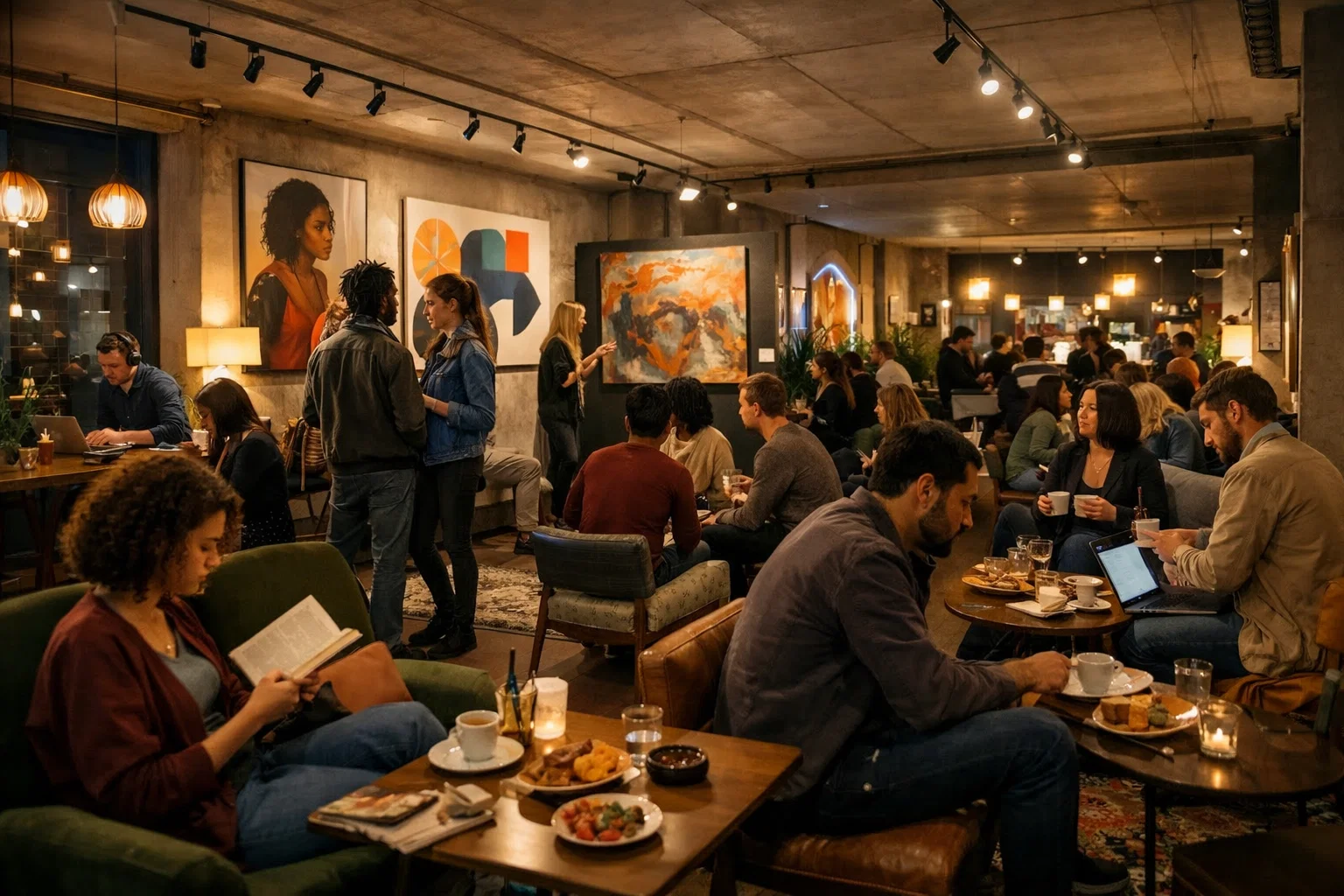
In the heart of London, a quiet transformation is reshaping the way local communities gather, interact, and build relationships. For generations, the classic British pub has played a crucial social role as a welcoming public place where bonds form through conversation and shared traditions. These third spaces—distinct from home (the first place) or work (the second place)—have always offered much more than just drinks; they created opportunities for genuine connection. Today, many Londoners find themselves drifting away from traditional pubs and gravitating toward vibrant cultural hubs and alternative community spaces that bring fresh energy to the city’s social fabric.
What defines a “third place”?
The phrase “third place,” introduced by sociologist Ray Oldenburg, describes environments where individuals gather informally outside their homes and workplaces. Pubs have long embodied this concept in British culture, offering neutral ground where all walks of life can mix freely without expectations. Such places foster lively debate, spontaneous encounters, and a sense of belonging. As cities evolve, so do the ways people define meaningful social interaction.
Social isolation has become an increasing concern in urban centers worldwide. A thriving third space can help counteract loneliness by offering friendly, low-pressure atmospheres where new friendships develop naturally. Unlike private clubs or exclusive gatherings, most third spaces rarely require membership fees or barriers to entry; participation is simple and open, making it easy to find community. This inclusivity sets them apart in the modern social landscape.
Why pubs once dominated London’s social landscape
Pubs have served as the cornerstone of the urban third place experience across Britain. Every neighborhood featured a cherished spot filled with familiar faces and time-honored rituals. British pubs enabled social connection across age groups, from after-work meetups to weekend celebrations following football matches. Their accessibility and unspoken codes placed everyone at ease, providing relief from daily pressures.
The enduring appeal of pub culture stems from its classic formula: affordable food and drink combined with a welcoming community spirit. This inclusive setting allowed individuals to expand their circles beyond colleagues or family, nurturing essential social bonds. Through conversation, laughter, and shared moments, these venues offered shelter against the anonymity often found in urban life. Among evolving experiences available today, some offer guests Czech-inspired social dining experiences that merge tradition with innovation.
How cultural hubs are redefining the third space
While pubs remain part of the city’s identity, a wave of emerging cultural hubs is beginning to reshape London’s social fabric. Dance studios, independent cinemas, gallery collectives, and maker spaces now act as magnets for creative minds searching for something deeper than the clink of pint glasses. These new community spaces invite guests to learn, collaborate, and explore projects that reflect evolving interests and passions.
In these settings, interaction extends far beyond casual small talk. Attendees might join a poetry reading, participate in hands-on workshops, or enjoy performances that spark curiosity and meaningful conversation. Shared passions encourage engagement, often blurring the line between observer and participant. By fostering diverse perspectives, such venues create opportunities for enriched communication and stronger connections among visitors who might never have met otherwise.
Fighting loneliness through communal activities and broadening the definition of community space
One major advantage of cultural hubs lies in their ability to actively address urban loneliness. Many events are designed to encourage participation, drawing out even reserved guests and weaving supportive networks. Painting sessions, book clubs, or cooking demonstrations provide chances for attendees to focus outward, transforming social anxiety into collective joy and accomplishment. Facilitators often structure programs to boost interaction and reduce barriers, helping newcomers feel welcome from the start. This approach reflects a conscious effort to counter social isolation and maintain accessible gathering points for people from various backgrounds.
Cultural hubs also broaden what a modern community space can offer. Unlike pubs, which sometimes rely on tradition and familiarity, these contemporary venues attract those with shared interests or specialized pursuits. Whether seeking artistic growth, activism, or technology expertise, individuals now have physical locations to cultivate passions within like-minded company. London’s cultural hubs operate at different scales—from pop-up exhibitions to sprawling arts centers—and each serves as a dynamic public space, promoting innovation while supporting community-driven programming.
What is fueling the transition away from pubs?
Several factors drive the shift from traditional pubs toward cultural hubs in London. Demographic changes, the rise of non-alcoholic lifestyles, and growing demand for spaces focused on wellness and personal development all contribute. Young professionals, international residents, and older adults alike increasingly seek options beyond the typical pub circuit when forging new friendships or engaging in meaningful activities.
Cost is also a significant influence, as some pubs face rising rents that impact affordability for both businesses and regulars. In contrast, many cultural hubs thrive thanks to flexible event schedules, pay-what-you-can models, or grant-funded programming. These features make them especially attractive as accessible public gathering places in today’s London.
Features of successful third spaces in today’s London
Thriving third spaces share several key traits, whether rooted in longstanding tradition or shaped by contemporary needs. These characteristics ensure ongoing relevance amid rapid social change and heightened awareness of isolation’s impact on well-being.
- Welcoming atmosphere: Both pubs and community spaces succeed when visitors feel genuinely invited.
- Accessible location: Proximity to transport and residential areas increases participation.
- Diverse programming: Options for art, music, sports, and education enable cross-generational appeal.
- Low barriers to entry: Minimal costs and relaxed attendance policies encourage repeat visits.
- Focus on shared purpose: Events and themes reflecting real community interests cultivate lasting loyalty.
Physical layout also matters—the best public places feature open seating, group activity areas, and flexible designs adaptable for different uses. Thoughtful design helps nurture positive, memorable social interaction and makes each visit enjoyable.
The ongoing evolution of London’s social scene
No single formula exists for a perfect third space. As London’s cultural landscape keeps shifting, the significance of public space—and the ways residents use it—will continue adapting to new priorities and patterns. Unique neighborhoods throughout the city add distinctive flavor to this evolution, celebrating both classic pubs and innovative cultural hubs as essential parts of the social puzzle.
Ultimately, the next chapter in London’s pursuit of social connection depends on communities’ willingness to experiment, collaborate, and embrace diversity in their gathering spots. Whether in the comfort of a historic tavern or amid the creativity of a makerspace, each venue strengthens the human ties that transform a city into a true home.