
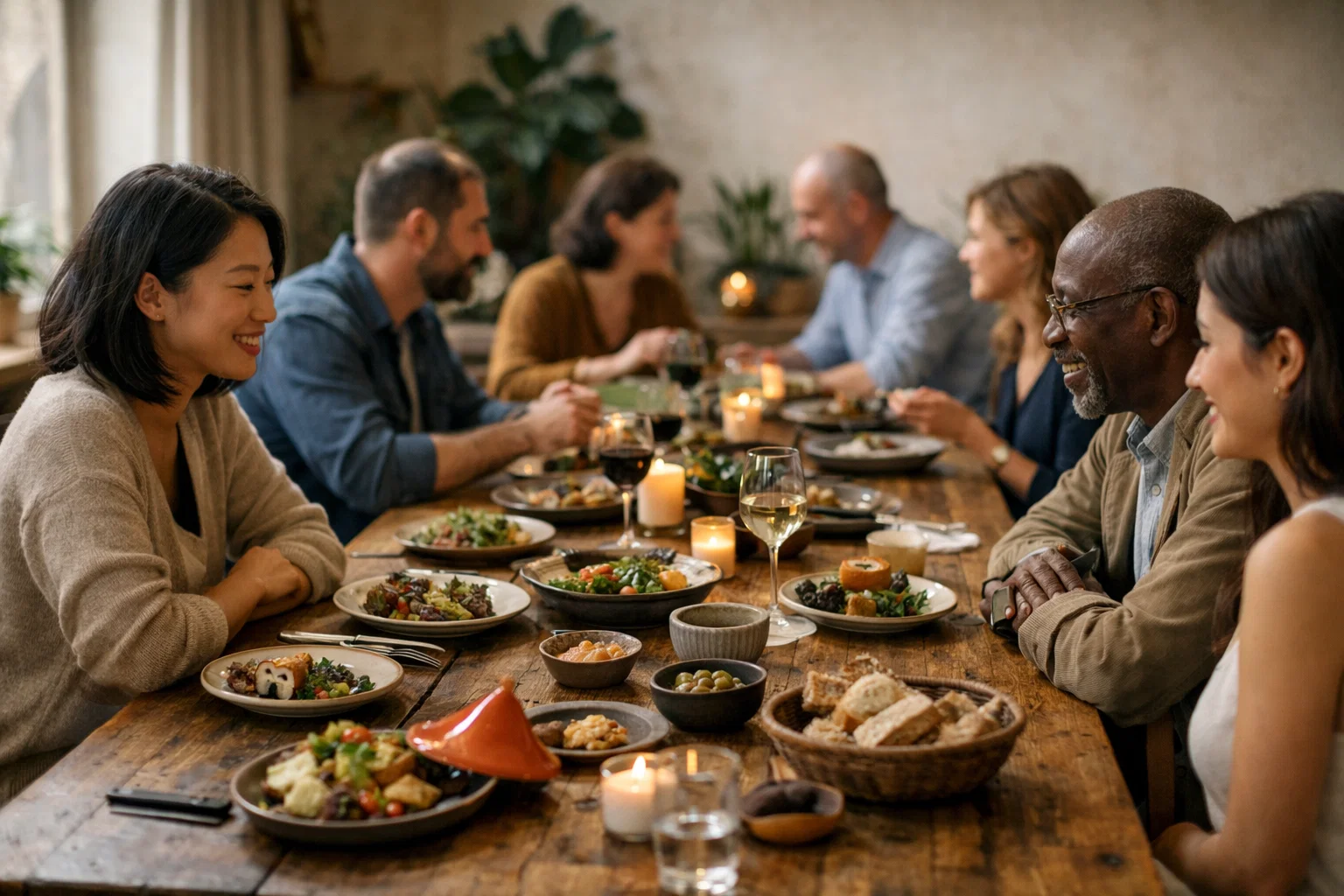
London’s legendary pace is well known, but recent trends reveal a significant shift at the dining table. Instead of grabbing quick bites on the move, more locals now aim to reclaim their meals with intention. The concept of slow living has taken on new meaning in the city’s food scene, challenging the fast food habits that once dominated urban life. This movement encourages residents to savor not only the dishes themselves but also the rich stories and diverse cultures behind them.
This evolution goes far beyond what appears on the plate. It signals a transformation in attitudes toward eating, community, and identity. By placing experience and cultural immersion at the forefront, slow living redefines what it means to truly enjoy a meal in a city as vibrant and multifaceted as London.
Why is fast food giving way to slow living?
For many years, convenience was king in London food culture. Rushed schedules and bustling streets led countless individuals to seek out quick meals between meetings or errands. However, this pattern left little space for genuine enjoyment or meaningful connection. Today, there is a noticeable hunger for deeper culinary encounters rather than speedy transactions.
This change reflects much more than shifting preferences—it mirrors evolving values shaped by immigration and multiculturalism. As various ethnic communities have influenced neighborhoods, residents have found opportunities to explore cuisines that tell personal and historical tales. Taking time to taste these foods allows diners to appreciate the skill, creativity, and heritage woven into every bite, such as those found in traditional Czech cuisine in London.
How do sensory experiences transform dining?
Sitting down to share a meal, especially in places that celebrate authenticity, brings all the senses to life. The slow living approach urges guests to notice sights, sounds, and smells—the clatter of freshly washed plates, spices wafting from open kitchens, and the vibrant colors filling each platter.
Instead of rushing through dinner, diners pause to observe and engage. Engaging the senses turns eating from a routine task into a celebration, building memories and associations tied to both taste and place. In this way, meals become cherished moments, enhancing overall well-being and satisfaction.
Discovering food origins and traditions
Uncovering the origins of food often sparks a deeper appreciation for what is served. Many London establishments now proudly share stories—sometimes on menus that highlight ingredients’ journeys across borders or generations. These narratives help diners better understand the context shaping flavors and techniques.
Through storytelling and conversation, guests discover how migration and history impact what lands on a modern London table. This knowledge stimulates curiosity and fosters respect for both people and their culinary legacies.
Sensory immersion in world cuisines
Dining in restaurants guided by slow living principles offers much more than just taste. The atmosphere can evoke distant homelands: music in native languages, evocative aromas, or treasured family recipes brought lovingly to the city. Every detail works together to fully immerse guests in another culture’s dining ritual.
Engagement with these sensory details provides an opportunity to travel without leaving London. Diners often find themselves swept up in cultural events and festive occasions, forging connections through food in ways that go beyond words alone.
Changing attitudes towards eating out
Recently, decisions about where and how to dine have grown more meaningful. For many in London, selecting a restaurant is no longer just about proximity or popularity—it is about quality, tradition, and authentic human interaction. Elements such as attentive table service, personal recommendations, and thoughtful plate presentations have gained importance.
As expectations shift, so do the conversations around the table. Families and friends linger longer, inviting richer dialogue and laughter. These changes promote mindful consumption, reduce waste, and highlight the value of time-honored cooking compared to hurried meals.
Celebrating multicultural influences
Freed from rigid routines, diners are embracing dishes shaped by centuries of migration. Whether enjoying North African stews, Caribbean patties, or Southeast Asian curries, every meal reflects the layers of immigration and multiculturalism in London. These experiences spark exchanges that educate and unite communities.
Restaurants, pop-ups, and supper clubs increasingly showcase not only recipes but also customs, language, and art. Such gatherings support local communities and honor the history of food, deepening mutual understanding through delicious discovery.
Social rituals and communal dining
The slow living philosophy revives aspects of communal dining that flourished in traditional societies. Large platters meant for sharing, set menus featuring seasonal produce, and interactive dining experiences hold widespread appeal. These practices bring back old-world hospitality while nurturing new friendships and connections.
Many Londoners now mark special occasions or everyday milestones by seeking out cultural celebrations centered around food. From neighborhood festivals to intimate home feasts, these gatherings reinforce the idea that meals serve as anchors for belonging and joy.
Tips for embracing slow living in London food culture
Adopting a slower approach to dining in London can renew one’s relationship with food and strengthen ties to the city’s global mosaic. The following practical steps help integrate slow living principles into weekly routines:
- Select independent eateries: Choose venues rooted in family traditions or representing lesser-known regions for more authentic dining experiences.
- Ask about the menu: Engage staff in conversation about food origins, preparation methods, and the inspiration behind each dish.
- Join food walks or markets: Explore local producers, try samples, and listen to the stories behind regional products.
- Prioritize sensory engagement: Take time to notice the color, aroma, and texture of dishes before tasting.
- Attend cultural events: Participate in cookery workshops, music nights, or community dinners organized by cultural centers.
- Gather friends and family: Transform mealtime into a social ritual where shared conversation takes precedence.
Each step emphasizes experience over haste. With patience and curiosity, ordinary meals evolve into immersive journeys. The rewards extend far beyond full stomachs—enriching minds, connecting communities, and sustaining traditions for generations to come.
The rise of slow living is reshaping what it means to eat out in London. Careful attention to the history of food, sensory experiences, and the celebration of multicultural customs allows diners to weave themselves into the ever-evolving tapestry of London food culture.